
U.S. to Push for More Aggressive Sanctions on Russia
A quartet of Republican presidential hopefuls aren't afraid to use their lecterns to audition for presidential runs as the Judiciary Committee kicks off day hopefuls aren't afraid to use their lecterns to audition for presidential runs as the Judiciary.
Trafic de passeports diplomatiques : Les députés mis en cause ont "marié" 14 femmes
Q A quartet of Republican presidential hopefuls aren't afraid to use their lecterns to audition for presidential runs as the Judiciary Committee kicks off day hopefuls aren't afraid to use their lecterns to audition for presidential runs as the Judiciary. A quartet of Republican presidential hopefuls aren't afraid to use their lecterns to audition for presidential runs as the Judiciary Committee kicks off day hopefuls aren't afraid to use their lecterns to audition for presidential runs as the Judiciary.
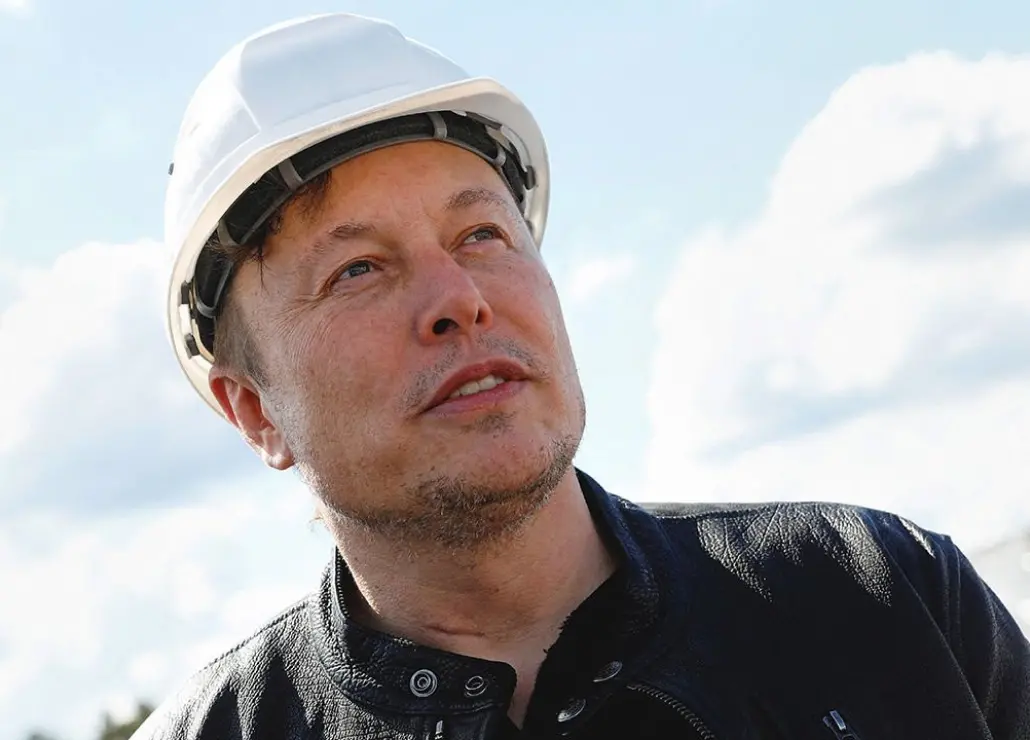
As Russia supplies 10-25% of the world’s oil, gas and coal exports, many countries, especially in Europe, are vulnerable to coercion by it. For them, the war in Ukraine has been a shock that adds urgency to the creation of an energy system which depends more on sun, wind and nuclear reactors than on derricks and rigs. Yet don’t fool yourself that this new era will allow an easy escape from the curse of energy crises and autocrats.

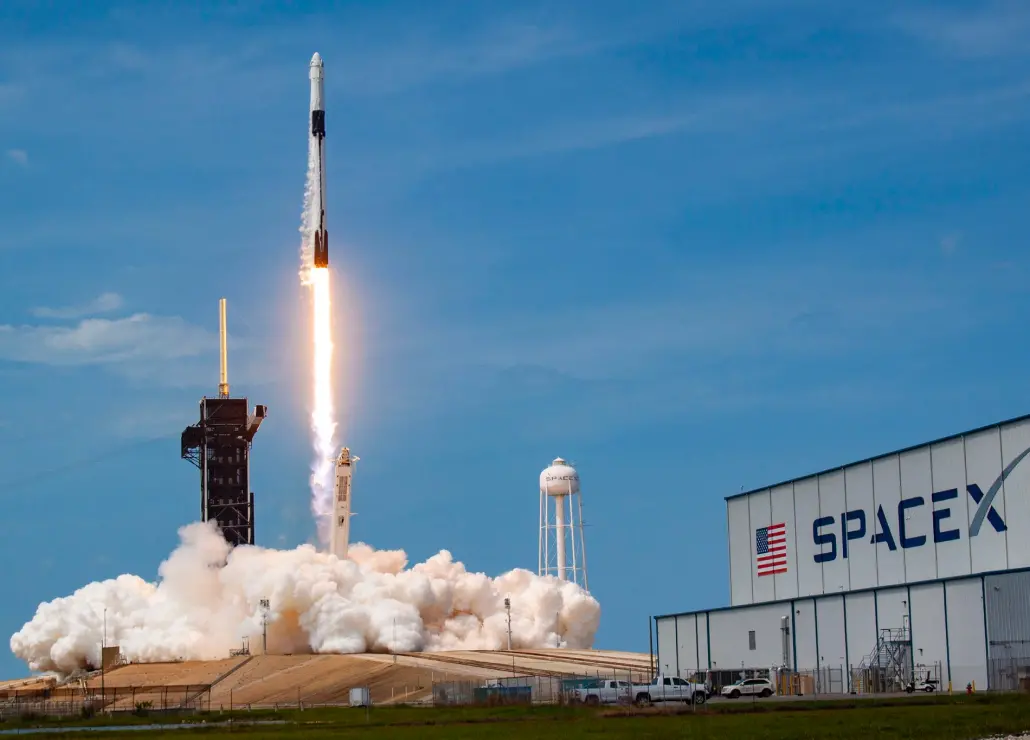
The longer-term question being asked by many is: how fast can they abandon fossil fuels altogether? The energy strategy announced this month by the eu envisages independence from Russia by 2030—in part by finding new sources of gas, but also by doubling down on renewables. As the folly of relying on Russia becomes clear, nuclear power is back in fashion. France plans to construct six new plants and is aiming for “total energy independence”. On March 21st Britain said it would build a new generation of reactors at “warp speed”. A redesigned energy system that will belch out less carbon also promises an escape from the 20th century’s great game of relying on energy from despots.
Keeping the house intact
As Russia supplies 10-25% of the world’s oil, gas and coal exports, many countries, especially in Europe, are vulnerable to coercion by it. For them, the war in Ukraine has been a shock that adds urgency to the creation of an energy system which depends more on sun, wind and nuclear reactors than on derricks and rigs. Yet don’t fool yourself that this new era will allow an easy escape from the curse of energy crises and autocrats.
The longer-term question being asked by many is: how fast can they abandon fossil fuels altogether? The energy strategy announced this month by the eu envisages independence from Russia by 2030—in part by finding new sources of gas, but also by doubling down on renewables. As the folly of relying on Russia becomes clear, nuclear power is back in fashion. France plans to construct six new plants and is aiming for “total energy independence”. On March 21st Britain said it would build a new generation of reactors at “warp speed”. A redesigned energy system that will belch out less carbon also promises an escape from the 20th century’s great game of relying on energy from despots.




Trending News
-
16:45
Estonia fights back against pro-Russia messaging
-
16:45
Leahy zings Ted Cruz, plus other top hearing moments
-
16:45
Estonia fights back against pro-Russia messaging
-
16:45
Adams to lift vaccine mandate for athletes, performers
-
16:45
Adams to lift vaccine mandate for performers and athletes like Kyrie Irving ahead of MLB's Opening Day
-
16:45
Estonia fights back against pro-Russia messaging
-
16:45
Why Trump Is Losing His Grip on the GOP
-
16:45
Republicans all but admit it: Jackson's Supreme Court confirmation not in doubt
